
Palworld Breeding Guide - Parents, Cake, Eggs, and Mutation
Palworld Breeding Guide helps players build the farm, automate Cake, choose parents, protect passive chains, hatch eggs, and keep Mutation tests organized beyond a simple combo table.

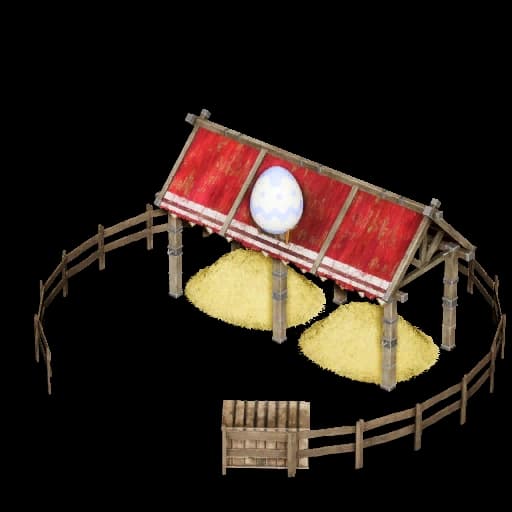
Palworld Breeding Guide route: start with the bottleneck, not the rarest Pal
Breeding fails most often because the base loop is weak: no Cake, bad parent pathing, missing Incubatortemperature control, or passive chains mixed with random test eggs.
Five steps before mass breeding
- Unlock and place the Breeding Farm at Technology tier 19.
- Automate the Cake recipe before assigning valuable parents.
- Keep one male and one female assigned and watch for pathing resets.
- Move each egg into an Egg Incubator and adjust hot/cold messages.
- Only promote children that improve the target Pal or passive chain.
Spend 2 Technology Points, then build with 100 Wood, 20 Stone, and 50 Fiber.
1 + 1Parent assignmentAssign one male and one female Pal to the farm before adding Cake.
1 CakeConsumed per eggCake goes in the farm chest; Cake stored there does not spoil.
Tier 7Egg IncubatorAncient Technology unlock for hatching bred and world-spawned eggs.
Breeding Planner and Cake Route
Open the calculator for parent pairs, then use this route board to keep Cake, eggs, and Mutation batches moving.
Palworld Breeding Calculator
Open the dedicated calculator to choose graphic Parent A and Parent B cards, find the child, reverse-search target Pal pairs, and compare the result against Pal detail pages.
Unlock and place the Breeding Farm
Reach Technology level 19, spend 2 Technology Points, then place the farm where workers can path to the chest and feed box.
The structure costs 100 Wood, 20 Stone, and 50 Fiber. Leave space around the entrance because assigned parents can reset if pathing breaks.Assign one male and one female Pal
Pick up each parent and throw it at the Breeding Farm assignment point until the farm panel confirms both parents are assigned.
Use parents with the passive skills you want to inherit. If a parent walks away, rebuild pathing or move the farm closer to beds and food.Keep Cake in the farm chest
Put Cake directly in the Breeding Farm chest. One Cake is consumed per egg, and Cake stored there does not spoil.
A steady Cake line is the main bottleneck, so automate Wheat, Berries, Milk, Eggs, Honey, transport, watering, kindling, and cooling before mass breeding.Incubate and judge the result
Move the egg to an Egg Incubator, hatch it, then keep or retire the child based on passives, element, work suitability, and combat role.
For chain breeding, use the successful child as the next parent and repeat until the target passive set is stable.Cake automation checklist
Cake is the breeding bottleneck. Build this loop once, then scale parents instead of hand-farming every egg.
 Flourx5
Grow Wheat, process it in a Mill, and keep a Watering Pal assigned.
Two Wheat Plantations are enough for early breeding; add more when cooking cannot keep up.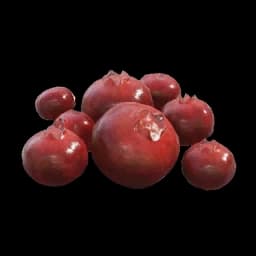
Run Berry Plantations near the kitchen and let Gathering and Transporting workers clear the harvest.
Berries are also food, so separate breeding stock from base meal supply if Cake stalls. Milkx7
Assign Mozzarina to a Ranch and keep transport routes short.
Milk shortages usually mean ranch drops are sitting on the ground, not that you need more Mozzarina. Eggx8
Eggx8Assign Chikipi to a Ranch.
Egg supply scales well because Chikipi is easy to catch near starter routes.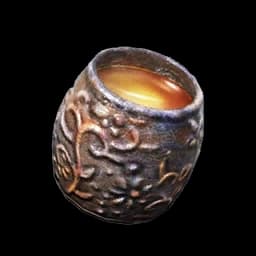 Honeyx2
Assign Beegarde to a Ranch or stockpile Honey from combat drops.
Honey is the late-early-game gate for reliable mass breeding. Cakex1
Cook at a Cooking Pot or better station, then store it inside the Breeding Farm chest.
Use a strong Kindling worker and a Cooler Box nearby for non-farm food storage.Mutation planning
After the 1.0 update, keep a separate breeding line for mutation attempts instead of risking your clean passive parent pair.
Track Cake type, parent pair, child species, IV band, Alpha state, condensation stars, and rainbow passive results before moving a child into the main line.Cake variant testing
Track which egg came from normal Cake, Mushroom Cake, Vegetable Cake, Deluxe Vegetable Cake, or Special Cake.
Use normal Cake as the baseline, Deluxe Vegetable Cake for Mutation batches, and Special Cake when passive transfer matters most.Patch-aware parent checks
Re-check old breeding routes after major patches, especially when Pal habitats, spawn levels, or rarity values are rebalanced.
Palworld 1.0 changed habitats and added many Pals, so older route assumptions can drift.Choose the workflow that matches your current goal
These workflows match common player goals: first farm setup, Cake scaling, target Pal routes, passive chains, and 1.0 mutation batches.
Set up a clean Breeding Farm before chasing rare results
For players unlocking breeding for the first time.
- Place the farm near beds, food, and a short chest route so assigned parents do not path away.
- Stock at least five Cakes before assigning parents; one Cake equals one egg.
- Hatch every egg in an Egg Incubator and record the child's passives before using it as a next parent.
Build the Cake chain as a base production route
For players whose eggs stop because Cake production stalls.
- Grow Wheat, mill it into Flour, then keep Berries separate from your base's regular food line.
- Run Ranch space for Mozzarina, Chikipi, and Beegarde so Milk, Eggs, and Honey do not require manual farming.
- Assign Transporting, Watering, Gathering, Cooling, and Kindling workers before scaling to multiple farms.
Use special combinations for known target results
For players breeding Anubis, Jormuntide Ignis, Suzaku Aqua, and other 1.0 results.
- Start with fixed special pairs when the target is a variant or route-locked species.
- For normal results, remember the hidden breeding-power average decides the child, so parent choice matters.
- Open each parent and target Pal from the planner to check elements, drops, work suitability, and role fit.
Preserve passives by narrowing the parent pool
For players building combat, mount, or base-worker specialists.
- Use parents that carry only the passives you actually want whenever possible.
- Expect RNG: passive inheritance is not guaranteed, even when both parents look perfect.
- Retire mixed children unless they improve the chain; random passives can occupy empty slots.
Separate mutation tests from your clean passive pair
For endgame players trying the 1.0 Mutation and new Cake effects.
- Keep one farm for normal Cake baseline eggs and another for special Cake experiments.
- Label storage boxes by Cake type so Mushroom, Vegetable, Deluxe Vegetable, and Special Cake results do not mix.
- Do not assume exact odds; keep mutation batches separate until the result is worth keeping.
Use the right Cake for the batch you are testing
Normal Cake is the baseline input for egg production. Palworld 1.0 added special Cake effects, so batch planning now matters more than simply filling the farm box.
Baseline breeding inputCake
Required to produce eggs in a Breeding Farm; use it as the baseline before testing special Cake effects.
Baseline batch for comparing normal results.Open Database entry Stat-growth attempt
Mushroom Cake
Slightly increases the likelihood that newly born Pals have higher stats.
Use for stat-growth batches.Egg volumeVegetable Cake
Produces two Pal Eggs at once.
Use when egg volume matters.Mutation batchDeluxe Vegetable Cake
Increases mutation likelihood, improves stat-growth chances, and is the best fit for dedicated Mutation batches.
Keep these eggs separate from passive-chain work and compare them against a normal Cake baseline.Passive inheritance batchSpecial Cake
Increases the chance of inheriting multiple passive skills from the parents.
Use when passive-skill transfer matters more than egg volume.Breeding questions players ask first
Use these quick answers before scaling a breeding base or spending rare parents on a long passive chain.
What do I need before breeding Pals?
You need a Breeding Farm, one male Pal, one female Pal, Cake in the farm chest, and an Egg Incubator to hatch the produced egg.
Why does every serious breeding route start with Cake production?
The farm consumes Cake for eggs, so a weak Cake chain stops every parent route. Automating Wheat, Berries, Milk, Eggs, Honey, transport, watering, gathering, cooling, and kindling is the fastest way to scale.
Are passive skills guaranteed to pass to the child?
No. Passive inheritance is probability based. Cleaner parent skill pools improve planning, but children can still receive an unexpected passive instead of the exact set you want.
Can I use old breeding calculators after Palworld 1.0?
Use them cautiously. The core hidden breeding-power method still matters for normal results, but 1.0 added Mutation and special Cake effects that many older calculators do not model.
Does this page list exact mutation odds?
No. It explains the effect categories and keeps exact odds out until they are clear enough for reliable player planning.